
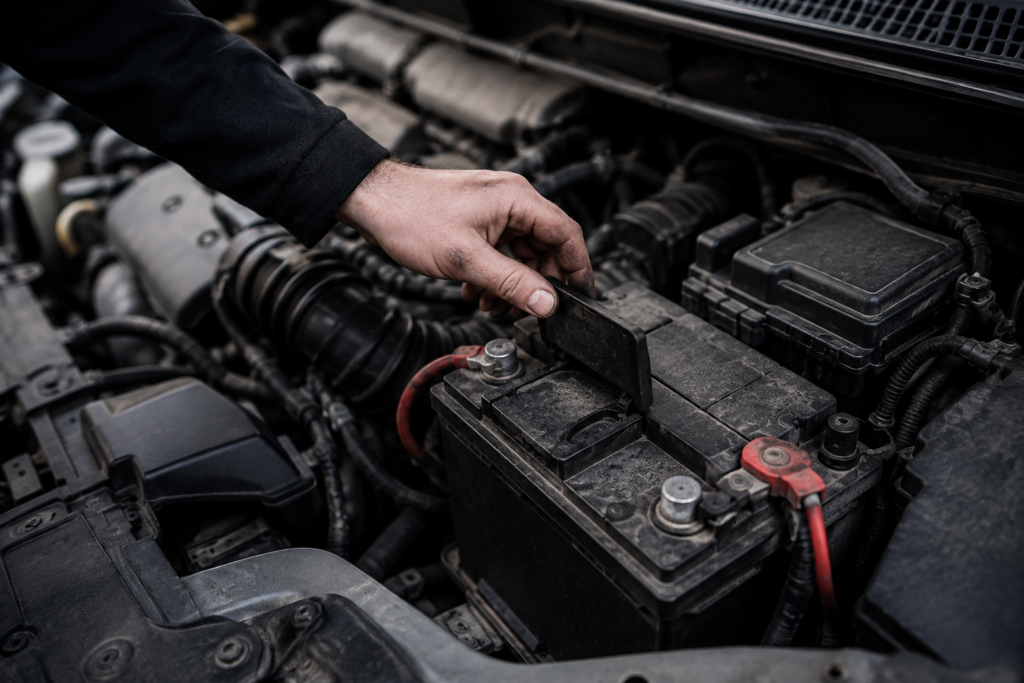
Can a Weak Battery Really Damage Your Car?
Most drivers think of a car battery as one simple part: it either starts the car, or it does not. But your battery does much more than just help the engine turn over.
A weak battery can affect your vehicle’s entire electrical system. It can cause hard starts, warning lights, flickering electronics, dashboard errors, stop-start problems, and extra strain on other important components.
If your battery is weak, old, undercharged, or no longer holding power properly, ignoring it can become expensive. What starts as a simple battery issue can place added pressure on the starter motor, alternator, sensors, control modules, and modern vehicle electronics.
In this article, we look at the hidden costs of ignoring battery problems, the most common weak car battery symptoms, and why testing your battery early can help you avoid bigger repairs later.
Why Your Car Battery Is So Important
Your car battery supplies the power needed to start your vehicle. When you turn the key or press the start button, the battery sends a strong burst of power to the starter motor, which turns the engine over.
Once the engine is running, the alternator takes over and helps recharge the battery while supplying power to the vehicle’s electrical systems.
But modern cars rely heavily on stable electrical power. Your battery helps support systems such as:
- Engine control modules
- Dashboard electronics
- Lights
- Alarm and immobiliser systems
- Infotainment systems
- Power steering systems
- Electric windows
- Sensors
- Stop-start technology
- Safety systems
- Central locking
- Onboard computers
When the battery is weak, these systems may not receive steady voltage. That can cause strange symptoms that many drivers do not immediately connect to the battery.
Common Weak Car Battery Symptoms
A weak battery does not always fail suddenly. In many cases, it gives you warning signs before it leaves you stranded.
Look out for these common weak car battery symptoms:
- The engine cranks slowly
- The car takes longer to start
- You hear clicking when trying to start
- Dashboard lights flicker or dim
- Headlights look weaker than usual
- The battery warning light appears
- The radio or clock resets
- Electric windows move slowly
- The stop-start system stops working
- Warning lights appear randomly
- The car starts fine one day and struggles the next
- You need to jump-start the car
- The battery struggles more in cold weather
- The vehicle has issues after standing overnight
If your vehicle is showing one or more of these signs, it is worth having your battery tested before the problem gets worse.
Can a Weak Battery Damage the Starter Motor?
Yes, a weak battery can place extra strain on the starter motor.
The starter motor needs a strong supply of power to turn the engine over. If the battery is weak, the starter motor may not receive enough current. This can cause slow cranking, repeated start attempts, or clicking sounds.
Every time the starter motor struggles, it works harder than it should. Over time, this extra strain can contribute to wear.
This does not mean every weak battery will immediately destroy a starter motor. But if you keep forcing your vehicle to start with a weak battery, you increase the risk of starter-related problems.
Signs that the starter motor may be under strain include:
- Slow engine cranking
- A single click when trying to start
- Repeated clicking sounds
- Burning smell after trying to start
- The car only starts after several attempts
- Starting problems even after charging the battery
Before replacing a starter motor, always test the battery first. Many starting problems are caused by a weak battery, not the starter itself.
Can a Weak Battery Damage the Alternator?
A weak or failing battery can also put extra pressure on the alternator.
The alternator is designed to maintain the battery’s charge and power the electrical system while the engine is running. It is not meant to constantly rescue a battery that can no longer hold charge properly.
If your battery is weak, the alternator may need to work harder for longer periods to try and recharge it. This can place unnecessary strain on the charging system.
Again, this does not mean the alternator will fail immediately. But ignoring a bad battery can shorten the life of charging components or make existing alternator problems worse.
Possible alternator-related symptoms include:
- Battery warning light on the dashboard
- Dim or flickering lights
- Electrical problems while driving
- Battery keeps going flat
- Vehicle starts after charging but fails again later
- Whining noise from the engine bay
- Burning smell near the alternator area
If your battery keeps losing charge, both the battery and alternator should be tested.
Can a Weak Battery Cause Electrical Problems?
Yes. A weak battery can cause electrical problems, especially in modern vehicles.
Many vehicle systems rely on stable voltage. When the battery voltage drops too low, the car’s electronics may behave strangely.
You may notice:
- Random warning lights
- Dashboard errors
- Infotainment system glitches
- Central locking issues
- Alarm problems
- Electric windows working slowly
- Power steering warning lights
- ABS or traction control warnings
- Stop-start system not activating
- Sensors giving incorrect warnings
Sometimes these symptoms can look like serious electrical faults. But in some cases, the root cause is simply a weak or unstable battery.
That is why a battery test should be one of the first checks when a vehicle starts showing unusual electrical behaviour.
Why Modern Vehicles Are More Sensitive to Weak Batteries
Older vehicles were usually simpler. If the battery was weak, the main symptom was usually slow starting.
Modern vehicles are different. They have more onboard computers, sensors, control modules, comfort features, and safety systems. These systems need consistent power to operate correctly.
This means a weak battery can trigger problems that seem unrelated at first.
For example, a weak battery may affect:
- Stop-start systems
- Electronic parking brakes
- Keyless entry
- Push-button start
- Engine management systems
- Fuel injection systems
- Vehicle stability systems
- Safety sensors
- Onboard diagnostics
This is why fitting the correct battery is also important. Some vehicles require AGM or EFB batteries, especially if they have stop-start technology. Installing the wrong battery type can cause poor performance, reduced battery life, and electrical issues.
Can a Weak Battery Affect the Stop-Start System?
Yes. One of the first systems to stop working when the battery is weak is often the stop-start system.
Stop-start vehicles need a battery that can handle frequent starts and high electrical demand. If the battery is not healthy enough, the system may deactivate itself to protect the vehicle.
You may notice that the stop-start system:
- Stops activating
- Works sometimes but not always
- Shows a dashboard message
- Only works after longer drives
- Stops working during colder weather
This does not always mean the stop-start system itself is faulty. The battery may simply not be strong enough to support it.
For vehicles with stop-start systems, it is especially important to use the correct AGM or EFB battery.
Can a Weak Battery Cause Sensor or ECU Problems?
A weak battery can sometimes cause warning lights or communication errors in vehicle control systems.
Your ECU and sensors need stable voltage. If voltage drops too low during startup or while the vehicle is standing, the system may store fault codes or show temporary warnings.
This can lead drivers to think that a sensor has failed when the battery is actually the first problem to investigate.
Possible signs include:
- Check engine light
- ABS warning light
- Airbag warning light
- Traction control warning
- Power steering warning
- Keyless start errors
- Immobiliser issues
- Multiple warning lights at once
These warnings should not be ignored. But before assuming the worst, have the battery and charging system tested.
What Happens If You Keep Driving With a Weak Battery?
If you keep driving with a weak battery, the problem will usually get worse.
At first, the car may only start slowly in the morning. Then it may need multiple attempts. Eventually, it may not start at all.
Ignoring the problem can lead to:
- Unexpected breakdowns
- Needing a jump-start
- Added strain on the starter motor
- Added strain on the alternator
- Electrical system errors
- Stop-start system failure
- Dashboard warning lights
- Inconvenient towing costs
- Replacing parts unnecessarily
- Being stuck at home, work, school, or the shops
A battery test is quick and can help you avoid guessing. It can also prevent you from replacing expensive parts when the battery is the real issue.
Why Jump-Starting Is Not a Long-Term Solution
Jump-starting your car may get you going, but it does not fix the problem.
If your battery is weak, old, or damaged, jump-starting only gives it temporary assistance. The vehicle may start, but the battery may still be unable to hold charge properly.
Relying on jump-starts can also become risky. Incorrect jump-starting can damage sensitive electronics, especially in modern vehicles.
If your car has needed a jump-start more than once, have the battery tested as soon as possible.
How to Know If the Battery Is the Real Problem
The best way to know whether your battery is causing problems is to have it tested with professional battery testing equipment.
A proper test can check:
- Battery voltage
- Cold cranking amps
- Battery health
- State of charge
- Alternator output
- Charging system performance
- Starter draw
- Terminal condition
A simple voltage reading can be helpful, but it does not always tell the full story. A battery may show acceptable voltage but still fail under load.
That is why load testing and battery health testing are important.
When Should You Replace Your Car Battery?
You should consider replacing your car battery if:
- It fails a battery health test
- It struggles to start the car
- It keeps going flat
- It is older than three to four years
- It no longer holds charge properly
- The vehicle needs regular jump-starting
- The battery casing is swollen or damaged
- The terminals are badly corroded
- The stop-start system no longer works correctly
- Electrical issues appear alongside starting problems
Replacing a weak battery early is usually much cheaper and more convenient than waiting for a complete failure.
How to Protect Your Vehicle From Battery-Related Problems
You can reduce the risk of battery problems by following a few simple steps.
Test Your Battery Regularly
If your battery is older than three years, test it before winter, before long trips, and whenever you notice slow starting.
Avoid Too Many Short Trips
Short trips may not give the alternator enough time to recharge the battery properly. Try to take a longer drive now and then if your vehicle mostly does short distances.
Switch Off Electronics Before Starting
Turn off lights, aircon, radio, heated seats, phone chargers, and other electrical loads before starting the vehicle, especially in cold weather.
Keep Battery Terminals Clean
Dirty or loose terminals can cause poor connection and starting problems. Make sure the terminals are clean, tight, and secure.
Use the Correct Battery Type
Modern vehicles often require specific battery types. If your vehicle needs an AGM or EFB battery, fitting a standard battery can lead to performance issues.
Do Not Ignore Warning Signs
Slow starting, dim lights, dashboard errors, and repeated jump-starts should never be ignored. These are signs that the battery or charging system needs attention.
The Hidden Cost of Ignoring a Weak Battery
A weak battery may seem like a small problem, but it can quickly become a bigger and more expensive one.
Ignoring battery problems can lead to unnecessary stress, inconvenience, towing costs, and possible damage or strain to other components.
The hidden costs may include:
- Replacing a starter motor sooner than expected
- Extra strain on the alternator
- Electrical diagnostics
- Unnecessary sensor replacements
- Missed work or appointments
- Roadside assistance
- Emergency battery replacement
- Damage from incorrect jump-starting
In many cases, a simple battery test could have prevented the problem.
Do Not Wait Until Your Car Refuses to Start
A weak battery does not always fail without warning. In most cases, your vehicle will show signs before the battery dies completely.
If your car is slow to start, showing electrical issues, or needing jump-starts, do not ignore it. Testing the battery early can save you time, money, and frustration.
A healthy battery helps protect your vehicle’s starting system, charging system, and electronics. A weak battery does the opposite.
Need Help With a Weak Car Battery?
If you have noticed weak car battery symptoms such as slow starting, dim lights, clicking sounds, dashboard warnings, or stop-start issues, have your battery tested before it leaves you stranded.
A professional battery test can help confirm whether your battery is still reliable or whether it needs to be replaced.
Visit your nearest battery specialist for expert advice, battery testing, and the correct replacement battery for your vehicle.
FAQ Section
Can a weak car battery damage your car?
A weak car battery can place extra strain on the starter motor, alternator, and electrical system. It may not damage the vehicle immediately, but ignoring the problem can lead to more expensive issues over time.
What are the symptoms of a weak car battery?
Common weak car battery symptoms include slow cranking, clicking sounds, dim lights, dashboard warning lights, electrical glitches, stop-start problems, and needing jump-starts.
Can a weak battery cause warning lights?
Yes. A weak battery can cause low or unstable voltage, which may trigger dashboard warning lights or temporary electrical errors in modern vehicles.
Can a bad battery affect the alternator?
Yes. A failing battery can make the alternator work harder to keep it charged. Over time, this can place unnecessary strain on the charging system.
Can a weak battery affect the starter motor?
Yes. If the battery cannot supply enough power, the starter motor may struggle to turn the engine over. Repeated hard starts can add strain to the starter.
Is it safe to keep jump-starting a weak battery?
Jump-starting should only be a temporary solution. If your car needs repeated jump-starts, the battery or charging system should be tested. Incorrect jump-starting can also risk damaging modern vehicle electronics.
How often should I test my car battery?
It is a good idea to test your battery at least once a year, especially before winter or before long trips. If your battery is older than three years, testing becomes even more important.
Should I replace my battery if my car still starts?
Not always, but if your car is slow to start, showing warning lights, or the battery fails a health test, replacement may be the safest option.