
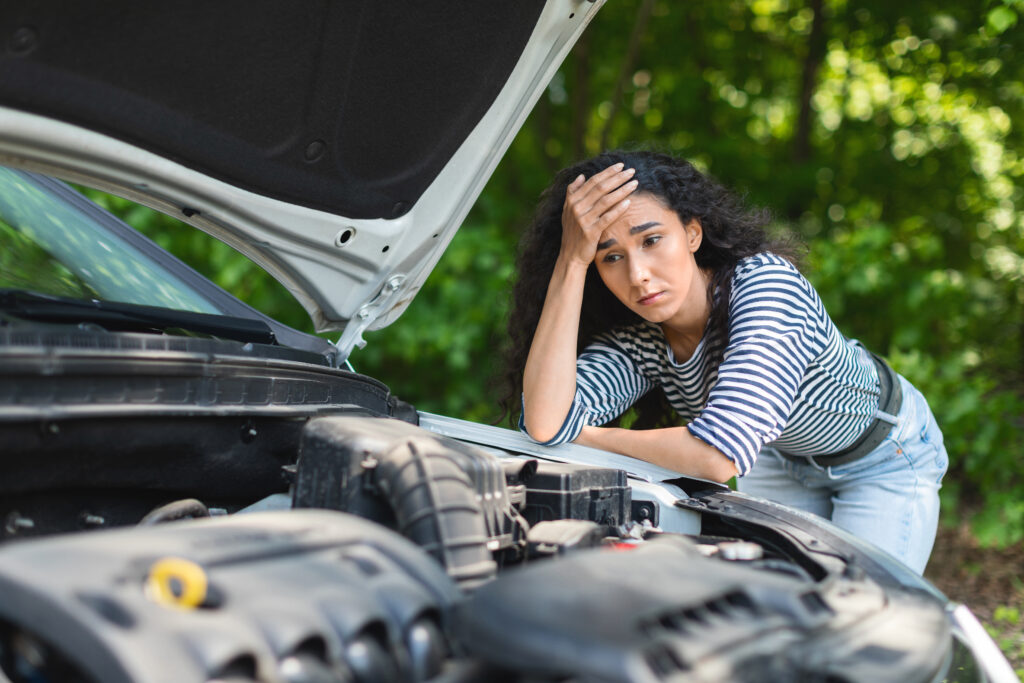
Why Is My Car Hard to Start in the Morning but Fine Later in the Day?
Few things are more frustrating than getting into your car on a cold morning, turning the key or pressing the start button, and hearing the engine struggle. It may crank slowly, hesitate before starting, or sound weaker than usual. Then, later in the day, the same car starts without a problem.
This is a very common issue during winter, especially when temperatures drop overnight. Many drivers assume that if the car eventually starts, the battery must still be fine. Unfortunately, that is not always true.
If your car is hard to start in the morning but starts normally during the day, it is often an early warning sign that your battery is getting weak. Cold weather puts extra pressure on your battery, starter motor, engine oil and electrical system. A battery that still seems strong in warmer conditions may struggle badly after a cold night.
In this guide, we will explain why this happens, what the most common causes are, how to identify the warning signs, and when you should have your battery tested before it leaves you stranded.
What Happens to Your Car Overnight?
When your car stands overnight, several things happen at the same time.
The temperature drops, the engine cools down, the oil becomes thicker, and the battery becomes less efficient. By the time you try to start the vehicle in the morning, your car needs more power than usual, but your battery may be able to deliver less power than usual.
That combination is the main reason many vehicles struggle to start first thing in the morning.
During the day, the temperature usually rises. The engine may also still hold some warmth if the car has been driven recently. This makes starting easier. The oil flows better, the battery performs better, and the starter motor does not have to work as hard.
That is why the same car can feel weak in the morning but start perfectly fine in the afternoon.
The Main Reason: Cold Weather Reduces Battery Performance
Your car battery works through a chemical reaction. When the temperature drops, that chemical reaction slows down. This means the battery cannot deliver power as quickly or as strongly as it can in warmer conditions.
A healthy battery can usually handle this extra strain. But if your battery is old, weak, undercharged or damaged, cold weather can expose the problem very quickly.
This is why many battery problems only become obvious in winter.
A battery may seem fine during summer, but once colder mornings arrive, it starts showing signs of failure. The colder the battery gets overnight, the harder it becomes for it to supply the power needed to start your engine.
Cold Starts Need More Power Than Normal Starts
Starting a cold engine requires more effort than starting a warm engine.
When your engine is cold, the oil inside it becomes thicker. Thick oil does not move as easily through the engine. This creates more resistance, which means the starter motor has to work harder to turn the engine over.
At the same time, your battery is less efficient because of the cold. So the vehicle needs more power, but the battery is less able to provide it.
This is exactly why a weak battery often fails on a cold morning rather than in the middle of the day.
You may notice symptoms like:
- Slow cranking
- A clicking sound when you try to start
- Dashboard lights dimming
- The engine taking longer to fire
- The car starting after a few attempts
- The battery warning light appearing briefly
- Electronics resetting after startup
These are all signs that your vehicle is struggling to get enough starting power.
Common Causes of Morning Starting Problems
A weak battery is the most common reason your car struggles to start in the morning, but it is not the only possible cause. Here are the most common reasons.
1. Your Battery Is Getting Old
Most car batteries do not fail overnight without warning. They usually get weaker over time.
As a battery ages, it loses its ability to hold charge and deliver strong starting power. You may not notice this immediately because the battery can still work under easy conditions. But once winter arrives, the weakness becomes more obvious.
If your battery is older than three years, morning starting problems should not be ignored.
This does not always mean the battery must be replaced immediately, but it should definitely be tested. A professional battery test can show whether your battery is still healthy or whether it is close to failing.
2. Your Battery Is Not Fully Charged
A battery does not need to be old to struggle in the morning. It may simply be undercharged.
This often happens when you do a lot of short trips. If you only drive for a few minutes at a time, your alternator may not have enough time to fully recharge the battery after starting the engine.
Over time, the battery remains slightly undercharged. Then, when a cold morning arrives, it does not have enough stored energy to start the car properly.
This is common for drivers who:
- Drive short distances daily
- Work from home and do not use the car often
- Only drive to shops and back
- Leave the vehicle standing for days
- Use lights, aircon, heaters and electronics often
- Have older vehicles with less efficient charging systems
A battery that is constantly undercharged will also wear out faster.
3. The Alternator May Not Be Charging Properly
Your battery starts the car, but your alternator charges the battery while the engine is running.
If the alternator is not working properly, your battery may not receive enough charge. The car may still start for a while, but the battery will slowly become weaker.
This can create a situation where your car starts fine after a long drive but struggles again the next morning.
Possible alternator-related signs include:
- Battery warning light on the dashboard
- Dim headlights
- Flickering interior lights
- Electrical issues while driving
- Battery repeatedly going flat
- Burning smell near the engine bay
- Whining noise from the engine area
If your battery keeps testing low even after driving, the charging system should be checked.
4. Your Starter Motor Could Be Drawing Too Much Power
The starter motor is responsible for turning the engine over when you start the car.
If the starter motor is worn or faulty, it may require more power than normal. This places extra strain on the battery, especially on cold mornings.
A weak starter motor can sometimes be mistaken for a weak battery because the symptoms are similar. The vehicle may crank slowly, click, or struggle to start.
However, a battery test and starter draw test can help identify the real problem.
Starter motor issues are more likely if:
- The battery is new but the car still struggles to start
- You hear a single click when starting
- The engine cranks slowly even with a charged battery
- The problem gets worse over time
- The starter has never been replaced on an older vehicle
5. Diesel Engines Can Be More Sensitive to Cold Starts
Diesel vehicles often need more starting power than petrol vehicles, especially in cold weather.
This is because diesel engines operate with higher compression. They also rely on glow plugs to help heat the combustion chamber before starting.
If your diesel vehicle struggles mainly on cold mornings, the issue could be related to:
- A weak battery
- Faulty glow plugs
- Thick engine oil
- Poor fuel quality
- A starter motor problem
- Low compression in older engines
Even if the glow plugs are the issue, the battery still needs to be strong enough to support the start cycle. A weak battery can make cold-start diesel problems much worse.
6. Parasitic Drain May Be Weakening the Battery Overnight
If your car starts fine during the day but struggles badly after standing overnight, something may be draining power while the vehicle is off.
This is called parasitic drain.
Some electrical usage is normal. Your alarm, clock, immobiliser and onboard systems may use a small amount of power. But if something is drawing too much current, it can weaken the battery overnight.
Common causes include:
- Faulty alarm systems
- Interior lights staying on
- Boot lights not switching off
- Dashcams wired incorrectly
- Tracking devices
- Aftermarket sound systems
- Faulty relays
- Phone chargers left plugged in
- Electrical faults
If your battery is healthy but keeps losing charge overnight, parasitic drain should be investigated.
7. Loose or Dirty Battery Terminals
Sometimes the battery itself is not the problem. The issue may be poor connection at the battery terminals.
If the terminals are loose, corroded or dirty, power cannot flow properly from the battery to the starter motor.
This can cause morning starting problems because the system is already under more strain when cold.
Signs of terminal issues include:
- White, blue or green corrosion around the terminals
- Loose battery clamps
- Intermittent starting problems
- Clicking sounds
- Dashboard lights flickering
- Car starting after moving or tapping the cables
Battery terminals should be clean, tight and secure.
Why the Problem Gets Worse in Winter
Winter does not always cause battery failure, but it often reveals battery failure.
A weak battery can sometimes survive warmer months because the engine is easier to start and the battery performs better in higher temperatures. But once winter arrives, the same battery may no longer be strong enough.
This is why many drivers experience battery trouble suddenly, even though the battery seemed fine a few weeks earlier.
The truth is that the battery was probably already weakening. The cold weather simply made the problem impossible to ignore.
Warning Signs Your Battery Is Struggling on Cold Mornings
You should not wait until your car refuses to start completely. There are usually early warning signs.
Watch out for:
- The engine cranks slower than usual
- The car takes longer to start in the morning
- The lights dim when starting
- The radio or clock resets
- The start-stop system stops working
- The battery warning light appears
- You need multiple attempts to start
- The car starts better after being driven
- The battery is older than three years
- The vehicle struggles after standing overnight
If you notice more than one of these signs, your battery should be tested as soon as possible.
How to Check If Your Battery Is the Problem
The best way to know whether your battery is healthy is to have it tested with proper battery testing equipment.
A simple voltage check can give you some information, but it does not always tell the full story. A battery may show decent voltage but still fail under load.
A proper battery test checks the battery’s ability to deliver power when the vehicle needs it most.
A battery specialist can test:
- Battery voltage
- Cold cranking amps
- Battery health
- Charging system performance
- Alternator output
- Starter draw
- Terminal condition
This helps you avoid guessing and replacing the wrong part.
Can You Keep Driving If the Car Still Starts?
You can, but it is risky.
If your car is already struggling to start on cold mornings, the problem will usually get worse. Eventually, the vehicle may not start at all.
The failure often happens at the worst possible time: before work, at school drop-off, at the shops, or when you are already running late.
It is much better to test the battery early than wait for a complete breakdown.
What You Can Do to Prevent Morning Starting Problems
There are a few practical steps you can take to reduce the risk of battery trouble.
Drive Long Enough to Recharge the Battery
Short trips can slowly drain the battery because the alternator does not get enough time to recharge it properly. Try to take a longer drive occasionally, especially during winter.
Switch Off Electronics Before Starting
Before starting your car in the morning, switch off unnecessary electrical loads such as lights, aircon, heated seats, radio and chargers. This gives the battery more power for starting.
Keep Battery Terminals Clean
Check for corrosion and make sure the terminals are tight. Poor connections can make a good battery act like a weak one.
Test Your Battery Before It Fails
If your battery is older than three years or your car is starting slowly, have it tested. This is the easiest way to avoid being stranded.
Replace the Correct Battery Type
Modern vehicles often require specific battery types such as AGM or EFB batteries. Fitting the wrong battery can cause performance problems, especially in vehicles with start-stop technology.
When Should You Replace Your Battery?
You should consider replacing your battery if:
- It fails a battery health test
- It is no longer holding charge
- It struggles every cold morning
- It is older than four years
- The car often needs jump-starting
- The start-stop system no longer works correctly
- The battery casing is swollen or damaged
- The terminals are badly corroded
- The vehicle has repeated starting problems
Replacing your battery before it fails completely is usually cheaper and less stressful than waiting for a breakdown.
Do Not Ignore a Car That Is Hard to Start in the Morning
If your car is hard to start in the morning but fine during the day, it is usually a warning sign.
The most likely cause is a weak or undercharged battery, but the starter motor, alternator, terminals, glow plugs or parasitic drain could also be involved.
Cold mornings demand more from your vehicle. If one part of the starting system is weak, winter will expose it.
The good news is that you do not have to guess. A professional battery and charging system test can quickly show whether your battery is still reliable or whether it is time for a replacement.
Need Help With a Car That Struggles to Start in the Morning?
If your vehicle is taking longer to start, cranking slowly, or struggling after standing overnight, have your battery tested before it leaves you stranded.
A proper battery test can help identify whether the issue is your battery, alternator, starter motor or another electrical problem.
Visit your nearest battery specialist for professional testing, expert advice and the correct replacement battery for your vehicle.
FAQ Section
Why is my car hard to start in the morning?
Your car may be hard to start in the morning because cold temperatures reduce battery performance and make the engine harder to turn over. A weak battery, thick engine oil, starter motor problems or poor charging can all contribute to the issue.
Why does my car start fine later in the day?
During the day, temperatures are usually warmer, the oil flows more easily, and the battery performs better. This makes the engine easier to start compared to a cold morning.
Does cold weather drain a car battery?
Cold weather does not drain a battery in the same way that leaving lights on does, but it reduces the battery’s ability to deliver power. If the battery is already weak, cold weather can make it fail.
Can a weak battery still start the car sometimes?
Yes. A weak battery may still start the car in warm conditions or after a recent drive, but struggle after standing overnight or during cold mornings.
How do I know if it is the battery or starter motor?
A battery test and starter draw test can help identify the real problem. Slow cranking can be caused by either a weak battery or a faulty starter motor, so proper testing is important.
Should I replace my battery if my car struggles in the morning?
Not always immediately, but you should have it tested. If the battery fails the test or is no longer holding charge properly, replacement is recommended.